
Till recently, iPhone production in India was limited to older models at a lower price tag. So far, Apple has localised production of five smartphone models - iPhone SE (1st Gen), 6S, 7, XR and 11.

From market leader HP and premium player Apple to China's Lenovo and Asus, all major brands in the market are witnessing rapid surge in the demand for notebooks.

The steep rise in prices of key components, coupled with a ban on the import of finished sets, is expected to hit prominent Chinese brands, such as OnePlus, Xiaomi, TCL, and Realme.
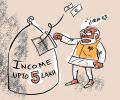
Among large states, the lowest rate of filing was seen in Bihar at 5 per cent, followed by UP at 8.11 per cent - much below the national average of 12 per cent.
Streamlining its delivery network and shifting focus back to the mass segment - at a time when competitors were struggling to restore normalcy in operations due to the pandemi - aided the firm's revival.
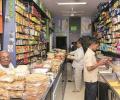
The demands from retailers are fourfold: One, allow kiranas, general trade stores, supermarkets, hypermarkets, and wholesalers to operate every day of the week till 9 pm. Two, ensure uniform and regular opening of all categories of retail. Three, hassle-free movement of goods and employees, and four, lift bans on malls in states like Maharashtra.

The government said that far from targeting any US entity, the purpose was to ensure fairness, healthy competition, and to exercise the ability of governments to tax businesses having a nexus with the Indian market through digital operations.

E-commerce companies that fall within the scope of the equalisation levy include Adobe, Uber, Udemy, Zoom.us, Expedia, Alibaba, Ikea, LinkedIn, Spotify, and eBay.
It was expected that supplies from China will be back to normal by end-June as their factories are now operating at nearly 90 per cent of normal capacity. But the recent issue with shipments has placed an obstacle that manufacturers can't bypass.

Apart from them, consignments of 11 top importers, including LG, Samsung, Toyota, Honda, and Siemens, will also be allowed entry, relieving them of the 100 per cent inspection rule.

The smartphone category as a whole was expected to spend around Rs 1,000 crore on marketing and promotional activities over the next six months, even as India unlocks gradually, said media industry experts. This spending is expected to come down, as firms temper their launches.
People in the know said that from social and digital media campaign teams to communications specialists -- all hands were on deck, and every possible post or campaign with the potential to intensify the crisis, was being tracked.

Tax department feels that the second quarter would be much better than the first quarter of the year as the economy has started improving.
Steel, cement, aluminum, fertilisers, tractors, two-wheelers, beverages and carbonated drinks, tyres and FMCG could see demand back to near normal levels by the third or the fourth quarter of the financial year, or even earlier.

According to government sources, frozen parota (layered flatbread) does not qualify as a staple item and is not eaten by the poor. It is consumed by a class that can afford to pay taxes, hence falls in the 18 per cent category with the likes of biscuits, pastries, and cakes.

The Confederation of All India Traders has approached Union Home Minister Amit Shah, Union Health Minister Harsh Vardhan, Delhi Lieutenant Governor Anil Baijal, and Chief Minister Arvind Kejriwal, and urged them to shut markets in Delhi.
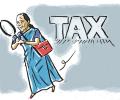
While the ratio determines the extent to which the government is able to finance its expenditure, it is also an indicator of tax compliance. Developed countries have a higher contribution of tax to their GDP.

The revision of the consumer price index and GDP base years from 2011-12 and 2012, respectively, were dependent on the outcomes of the consumer expenditure survey of 2017-18 that the government decided to junk recently.

From fast food and athleisure to ACs, the demand for several non-discretionary items has spiked since May 17, when Lockdown 4.0 was extended till May 31.

From auto, refrigerator, and mobile handset makers to real estate firms, companies are tying up with banks to dole out attractive finance schemes and discounts to make buying more affordable.
 © 2025 Rediff.com - Investor Information - Advertise with us - Disclaimer - Privacy Policy - Sitemap - Feedback - About us - Terms of use - Grievances